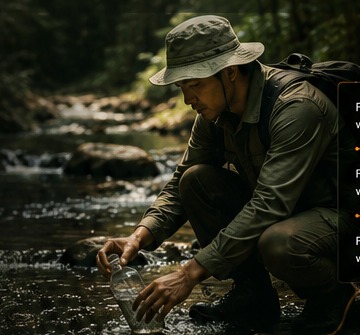
Exploration
Nature is our first laboratory.
We study how life adapts before we decide how technology should intervene.
At Metiva Bio, we study how microbial communities adapt under selected environmental and substrate conditions — and translate that adaptive capacity into reproducible biotransformation processes.
Microbial Acclimation Technology (MATE™) is our technology platform for guiding microbial systems toward targeted functional outcomes.
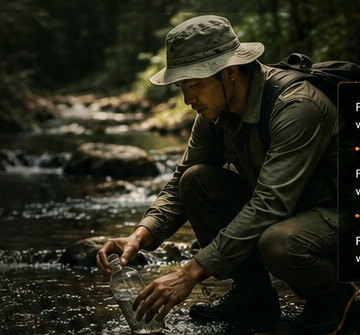
Metiva Bio’s story is not built around expensive equipment. It begins with observation — wastewater, sludge, soil, tropical plants and the microbial life that survives around them.
We study how life adapts before we decide how technology should intervene.

Different environments select different biological functions.
MATE™ is not simply “adding microorganisms.” It is a process concept: expose a microbial ecosystem to defined conditions, allow adaptive selection, guide functional metabolism, and standardize the resulting transformation process.

Plants, herbs, nutrients or other selected materials define the starting biochemical environment.

Temperature, nutrient balance and other selected stresses shape microbial adaptation.

The community shifts toward organisms and functions better suited to the defined environment.

Microbial metabolism converts selected substrates into a transformed biochemical profile.

Analytical QC is used to define reproducible specifications for commercialization.
The platform connects environmental selection, microbial community behavior, analytical chemistry and commercial process design — creating a bridge between biological adaptation and standardized product development.
Rather than focusing only on one isolated strain, MATE™ can investigate how communities reorganize under defined selective environments.
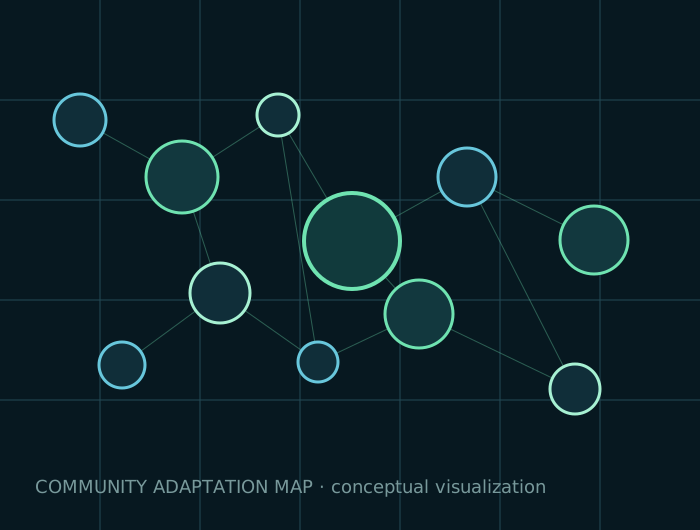
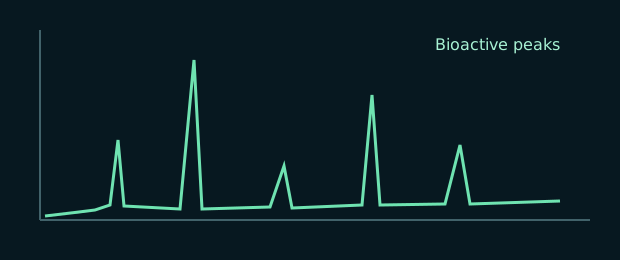
Analytical profiling helps identify chemical changes before and after microbial transformation and supports specification development.
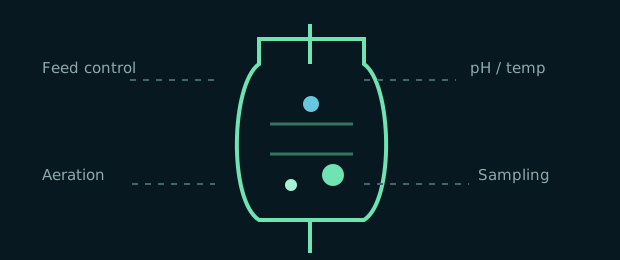
Controlled production translates biological adaptation into a repeatable industrial process.
Metiva Bio's technology narrative begins with microbial adaptation in demanding environmental treatment systems — then evolves through agriculture and, ultimately, functional biotransformation for bioactive ingredients.
Microbial communities were acclimated to challenging treatment environments to improve biological purification performance.
Environmental biotechnology experience became part of a broader international innovation platform.
Through the Earth Foods agricultural technology brand, adaptive microbial concepts were applied to nutrient bioconversion, soil ecology and biological crop support.
The platform expands into microbial biotransformation of selected herbs and substrates for standardized bioactive ingredients.
MATE™ provides a common scientific logic: select the environment, guide adaptation, observe functional transformation, then validate and standardize the outcome.

Microbial nutrient conversion, soil function and crop-support applications.
Explore Earth Foods Products →
Selected herbs and materials transformed into standardized external-use bioactive ingredients.

Analytical QC, process repeatability and scalable production for B2B ingredient development.
Metiva Bio develops both market-ready products and customized biotechnology programs. Our commercial model ranges from Earth Foods agricultural products to B2B projects that use cultivation and microbial biotransformation to create higher-value biological materials.
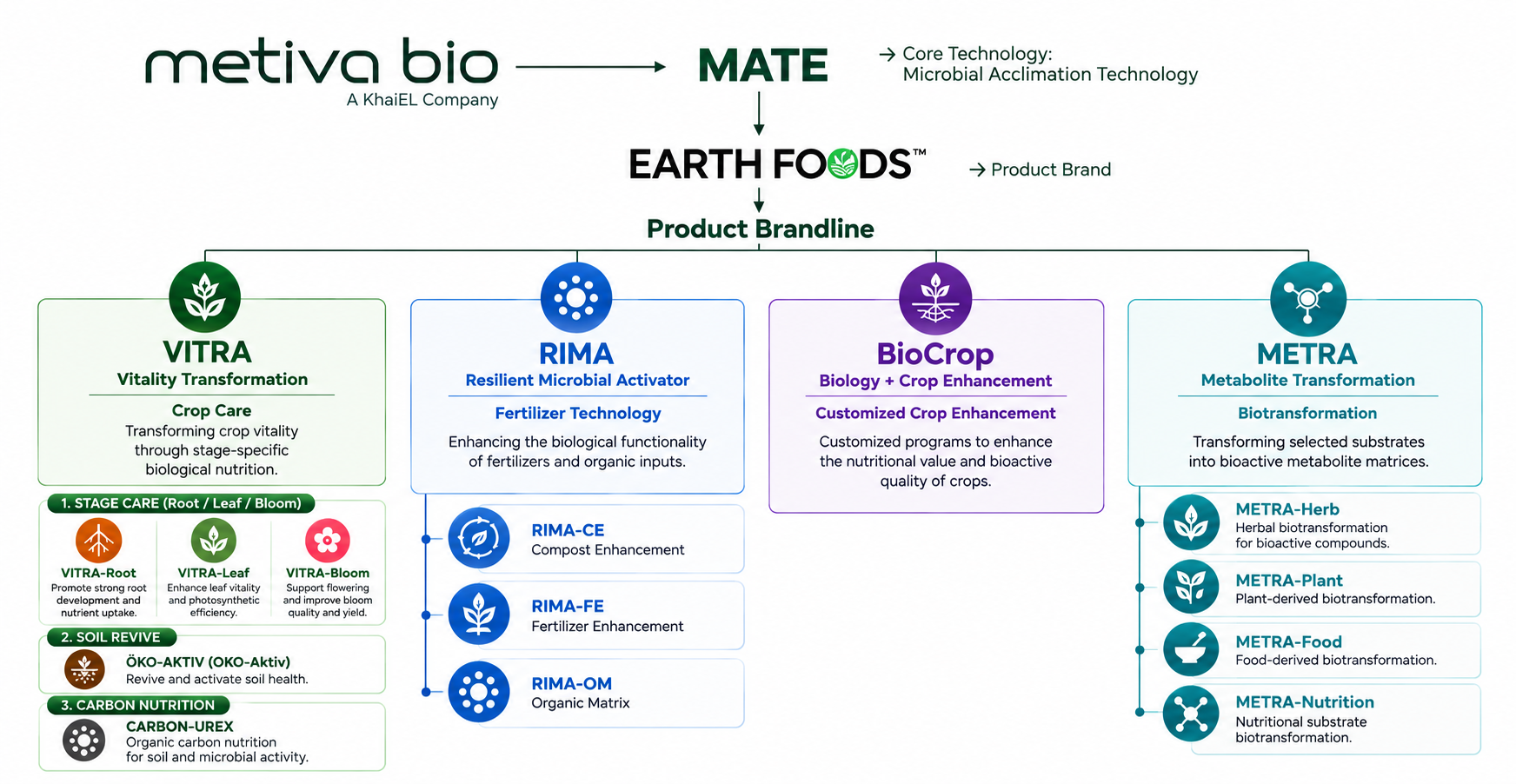
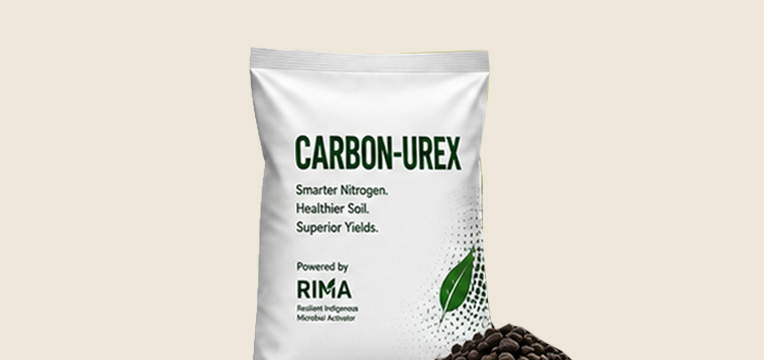
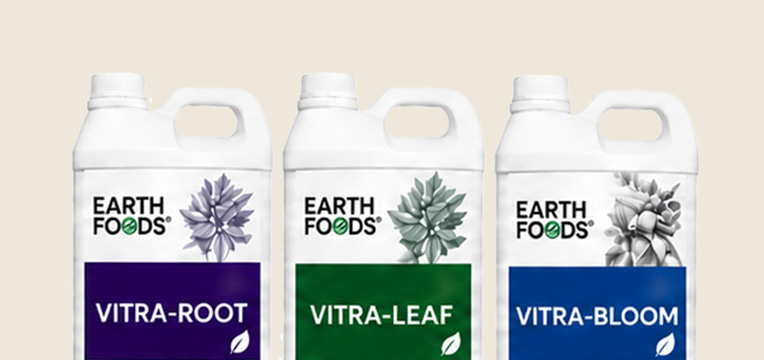
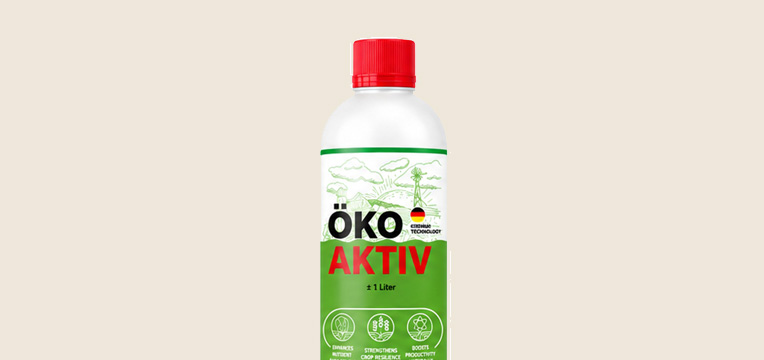
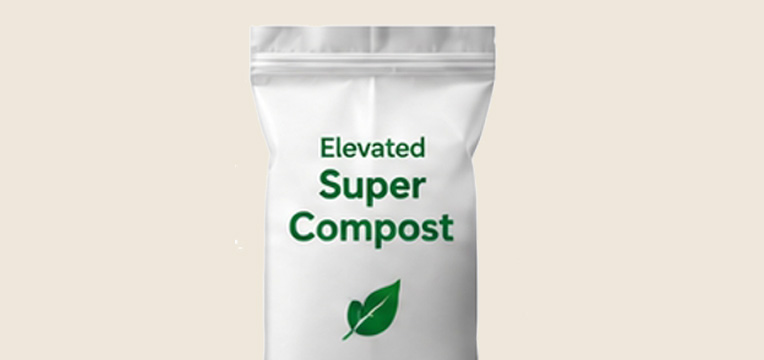
Earth Foods is Metiva Bio’s agricultural product line, translating our experience in microbial acclimation, soil biology and nutrient transformation into practical solutions for farming.
We work with clients who want to create differentiated biological materials from selected crops, medicinal plants or herbal substrates.
This section answers the questions people naturally ask when they first encounter microbial acclimation, MATE™ and Metiva Bio’s scientific journey.
Yes — but it is not easy.
Microorganisms can gradually adapt to challenging environments. But simply exposing them to stress often kills them rather than making them stronger.
The key is how the microbial ecosystem is designed and controlled during adaptation. This is the experience behind MATE™.
Many bacteria are killed by heat — that is why heat can be used for sterilization.
But not all microorganisms respond to heat in the same way. In a properly controlled high-temperature anaerobic environment, heat becomes a powerful selection pressure: organisms that cannot cope decline, while heat-adapted communities can become dominant.
From 2008–2011, our wastewater and sludge treatment experience taught us a central lesson:
The connection was sludge.
Treating wastewater does not end with clean water. The process also produces sludge, which creates another biological challenge.
Our experience gradually moved from treating water → managing sludge → understanding soil-like microbial environments.
That led us to explore whether acclimated microorganisms could also survive in acidic, chemically stressed and damaged agricultural soils — and eventually to the Earth Foods agricultural technology platform.
Conventional NPK fertilizer creates a high-salt environment, which can be stressful for many microorganisms.
But selected microbial communities can be acclimated to function under these conditions.
Instead of simply dying in concentrated fertilizer environments, suitable acclimated communities may participate in nutrient transformation and bioconversion.
It started with a simple observation: better nutrient management can change the quality of the plant.
After working on microbial bioconversion in fertilizers and crop production, we became increasingly interested in medicinal and functional plants.
For ordinary crops, the target may be yield and nutrition. For herbs, the more interesting question is:
Many herbs naturally contain compounds that inhibit microbial growth. That means fermenting certain herbs can be difficult — the substrate itself may suppress the microorganisms.
MATE™ approaches the problem differently: adapt the microbial ecosystem to the selected substrate and conditions.
If successful, microorganisms can remain metabolically active and biotransform herbal compounds into a new metabolite profile.
No. Fermentation is the process. MATE™ is how we prepare and guide the microbial system.
Traditional fermentation often begins by asking: “Which microorganism should we use?”
MATE™ adds another question: What environment will make the microbial system perform the function we need?
Because a microorganism that performs well in a laboratory does not necessarily perform the same way in a difficult real-world environment.
Temperature, pH, salinity, nutrients and the substrate itself can all change microbial behaviour.
MATE™ therefore focuses not only on what microorganism is present, but also on what environment allows the desired microbial function to emerge.
This is one of the biggest challenges in microbial biotechnology.
Adaptation alone is not enough. A commercially useful process must also be repeatable and measurable.
That is why MATE™ development is combined with process control and analytical tools such as metagenomics, HPLC and LC–MS.
We are not simply selling microorganisms.
We develop microbial acclimation and biotransformation processes that can lead to standardized functional ingredients, agricultural technologies and proprietary biological know-how.
Our long-term value lies in turning microbial adaptation into repeatable technology and intellectual property.
Metiva Bio is positioned as a platform that connects microbial technology, academic analysis, manufacturing capability and international commercialization.
Microbiology, molecular biology and analytical research collaboration.
MATE™ platform, microbial acclimation, biotransformation know-how and process development.
GMP personal-care production and downstream product manufacturing.
Bioactive science, ingredient technology and market commercialization.
Microbial Acclimation Technology (MATE™) · Malaysia